
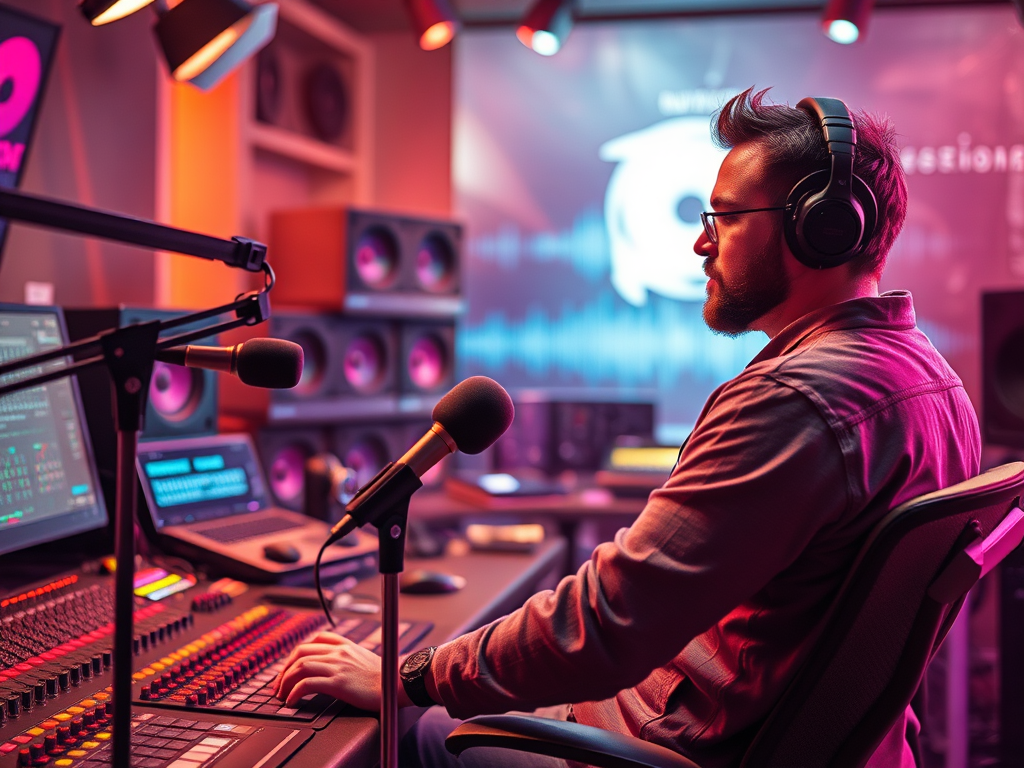
Introduction
Have you ever felt goosebumps while watching a movie? Have you been startled suddenly while playing a game? Or have you found an advertising jingle stuck in your head for days? One of the unsung heroes behind all these experiences is sound design. So, what is sound design? We hear this term so often. How can it affect everything so profoundly, from a project’s atmosphere to its success? In this article, we’ll step into the fascinating world of sound design. We will get to know its fundamental components. We will explore why it holds vital importance in every field, from films and games to advertising and art installations. Because a great project doesn’t just look good; it “sounds” impressive too.
What is Sound Design? Where Artistry Meets Technical Skill
Sound design, in its most fundamental sense, is the art of creating auditory elements. It is also the technical discipline behind devising sound for a media project. It involves developing, processing, and assembling sounds. This involves much more than just recording existing sounds. It is about constructing an original sound world. This sound world supports the story, emotion, and atmosphere the project aims to communicate. Sometimes, it solely conveys these elements. At Glaze Sound, we approach every project with this depth. We believe that sound is not just an accompaniment. It is an integral part of the project’s soul. A touch of professional audio can transform an ordinary experience into an unforgettable memory.
What are the Fundamental Components of Sound Design?
The fundamental auditory components, much like the colors on a sound designer’s palette, are:
Sound Effects (SFX)
These are sounds that represent specific actions, events, or objects within a project. A door slam, a spaceship engine, a magical spell, or a user interface click can be an SFX. Original and creative SFX enhance a project’s credibility and impact.
Ambiance (Atmosphere)
These are the background sounds that convey the overall “feel” of a place or environment. Ambient sounds create the peaceful sound of a forest. They produce the bustle of a crowded city. They also generate the eerie silence of an abandoned house or a room’s unique “room tone.” The right ambiance draws the viewer or player into that world.
Foley
This technique is named after the legendary sound artist Jack Foley. It involves creating and recording sounds live in a studio. These sounds are synchronized with character movements. Foley adds incredible realism and detail to scenes. The answer to what is foley lies in the art of these subtle details.
Music
The integration of music into the overall sound design is often a separate composition process. Nonetheless, it is critically important. Music’s harmony with the project’s emotional tone is also vital. Music can support the atmosphere, heighten tension, or join characters’ emotional journeys.
Dialogue
Character speech must be clear, understandable, and consistent with the project’s overall sound aesthetic. Recording, cleaning, editing, and balancing dialogue with other sound layers are crucial parts of sound design.
Silence
It should not be forgotten that silence is also a powerful sound design tool. Used correctly at the right moment, silence can increase tension. It can emphasize an important moment. Silence can also give the audience or player a moment to breathe.
The Role of Sound Design in Different Media Types
Each media type benefits from sound design in different ways:
Sound Design in Games
Games are one of the most interactive and dynamic areas for sound design. Sound provides player feedback like the sound when hitting an enemy. It creates atmosphere with eerie whispers in a horror game. It tells the story using character dialogues and environmental cues. It fully immerses the player in the game world. The use of interactive audio makes it possible to create sounds that change according to player actions.
For more information: Contact
Sound Design in Films and TV Series
It is one of the most important elements. It strengthens visual narrative. It adds emotional depth. It draws the audience into the story. Good sound design in film encompasses every aspect. This includes the clarity of dialogue and the realism of ambient sounds. It also includes striking sound effects and music.
Sound Design in Advertising
It increases brand recall. This includes jingles and sound logos – sonic branding. It emphasizes the appeal of the product or service. It reinforces the message’s emotional impact. Finally, it encourages the audience to take action. The use of sound in advertising often influences our subconscious, playing a role in our purchasing decisions.
Sound Design in Art Projects and Installations
It is employed to create spatial experiences. It makes the audience or participant a part of the artwork. It also expresses conceptual ideas through an auditory language. Art installation sound or digital art sound applications push the boundaries of traditional art forms.
Why is Professional Sound Design Vital for Every Project?
So, why all this effort? The value that professional audio design adds to your project is immeasurable:
- Emotional Impact and Atmosphere Creation: Sound directly appeals to our subconscious. It evokes powerful emotions. It flawlessly creates the desired atmosphere for your project.
- Increased Immersion and Realism: Well-designed sounds draw the viewer or player into the fictional world. They make the experience much more believable and realistic.
- Strengthening and Guiding the Narrative: Sound can convey details not visually shown. It provides cues and builds tension or curiosity. This supports the story.
- Brand Identity and Memorability: Especially for advertisements, games, or corporate presentations, original sounds and music play a crucial role. They can become a significant part of brand identity. This enhances memorability.
- Professional Image and Perception of Quality: Detailed and high-quality sound design elevates the overall quality of your project. It reinforces the perception of a professional production in the audience or player. Poor or amateur sound can overshadow even the best visuals.
- User/Viewer Engagement and Retention: An impressive auditory experience keeps users engaged with your project longer. It also helps them form a deeper connection. The return on investment in sound for projects is often measured by this engagement.
How Can Glaze Sound Add Sound to Your Project?
At Glaze Sound, we approach every project “as if it were our own.” Our team is creative, expert, passionate, and versatile. We understand the essence of your project. We embrace your goals. We use the full potential of sound to help you achieve them. Whether you need an unforgettable atmosphere for your game, we are ready. If you want emotional depth for your film, we are ready. Do you need a memorable sonic identity for your brand? We are ready. We offer you custom sound solutions. We can create an unforgettable atmosphere for your game. We give emotional depth for your film. You can have a memorable sonic identity for your brand. We are ready to offer you custom sound solutions. They are strategic and artistic.
Conclusion
Sound design is not just a technical process. It is a fundamental artistic element that shapes the soul, emotion, and impact of your project. Giving sound the value it deserves in your next project is essential. It is one of the most important investments for its success. Remember, audiences and players don’t just see; they also hear and feel.
Don’t hesitate to reach out to us via Contact. Let’s explore the sonic potential of your project. We can bring it to life together!
 Glaze Sound